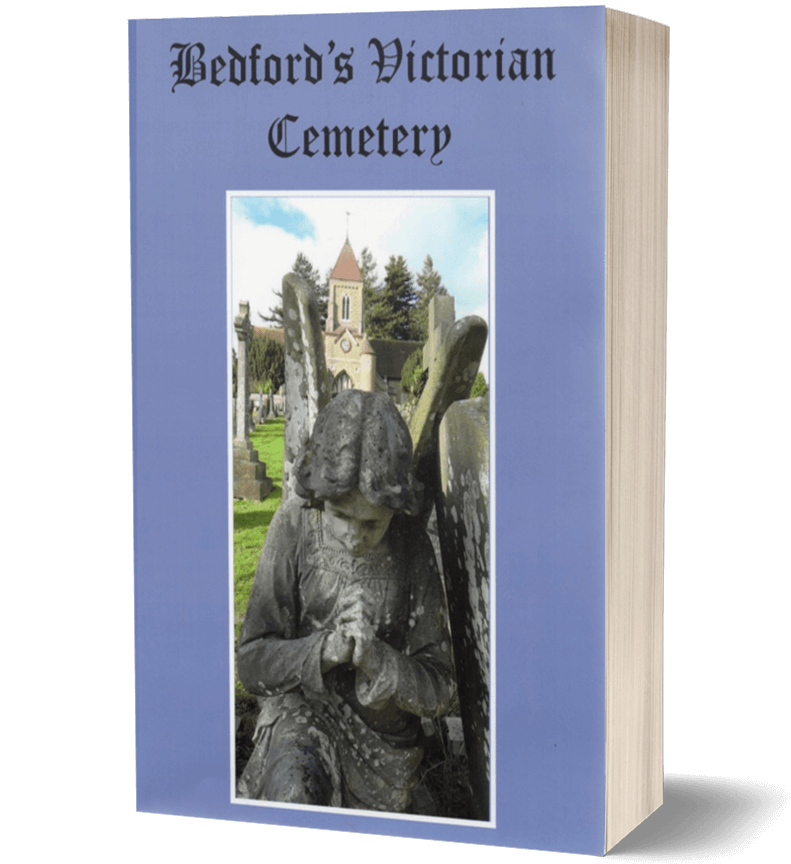
Bedford’s Foster Hill Road Cemetery, opened in 1855, forms a key part of the town’s Victorian heritage, with its red-brick Tudor-style Gatehouse and neo-Gothic twin chapels (one chapel for Anglicans and the other for Dissenters), both designed by the Bedford architect and water-colourist Thomas Jobson Jackson. The landscaped grounds, also laid out by Jackson, having matured are now a haven for wildlife, including specimen trees and a heritage orchard. Despite the Cemetery’s importance, until now, its history has never been chronicled, nor have the lives of those Bedfordians who rest there. These include those 33 members of Bedford’s WWI ‘Highland Army’ (the Highland Division) who died in the winter of 1914/15 of disease and are buried and commemorated at Foster Hill. Also, followers of the Panacea Society which was based in Bedford for over eighty years, and their leader the self-styled prophet and ‘Daughter of God’, Mabel Barltrop.
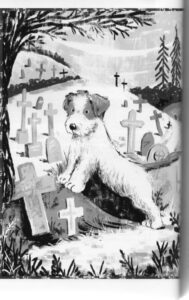
‘Bedford’s Victorian Cemetery’ aims to fill that gap. This new volume, the first published by the Friends, sets out the Cemetery’s origin, the personal initiative of Bedford’s far-sighted Borough Treasurer, public health reformer and editor of the Bedford Times, James Wyatt, who bought the eighteen acre site for the town (later extended to thirty-seven acres). He commissioned Bedford architect Thomas Jobson Jackson to design the gatehouse and chapels and landscape the grounds. There are articles on the first burial – Ellen Tacchi, daughter of the Bedford instrument maker Joseph Tacchi; Richard Wildman’s association with the Friends – their first President; the visual symbols in graveyards – ‘The Stories That Crosses Tell’ and ‘Swastika Headstones’; the story of ‘CD’ – the cemetery dog, whose interment in consecrated ground and grave marker sparked outrage in the columns of Bedfordshire on Sunday in 1994. There follow articles on the town’s clergy; the Foster family of Brickhill Hose;
Charles Well, the brewer; Bedford and Bedfordshire policemen and Chief Constables; the Higgins family; architect John Usher; Dr Rowland Coombs; Albert Prosser, architect; Joe Clough – Bedford’s first Jamaican-born motorbus driver and taxi-driver; ‘Bedford’s Tartan Army’ by Richard Galley; John Torr, a veteran of the Battle of Waterloo; Charles Malcolm, Crimean War veteran; WWII combatants – including Squadron Leader Richard Manton; Danuta Gruszczynska-Alasinska, a Polish Freedom Fighter who served at the Warsaw Rising in 1944; Pearl Thomson, a highly-respected Jamaican teacher who came to Bedford in 1954 and was one of the founders of the Miracle Church of Bedford. There are too many articles to highlight here, but they are all worth reading as celebrations of Bedford lives.
‘Bedford’s Victorian Cemetery’ is well-illustrated throughout with photographs, contemporary engravings and a series of sixteen delightful drawings by local artist Marisa Straccia. Unusually, because it has been co-authored by local researchers and supporters of the Friends, including myself, there is a refreshing mix of styles.
Recommendation: Strongly recommended. A unique volume shining a light on Bedford’s past and its residents. Excellent value for money at only £12. Would make a great Christmas present.